The Thrilling Beauty and Hidden Mysteries of Cenote Diving
For divers seeking an experience beyond the typical open-water adventure, cenotes provide a breathtaking underwater world where nature’s artistry is on full display. These natural sinkholes, formed over thousands of years, offer explorers crystal-clear waters, striking geological formations, and an atmosphere that blends tranquility with untouched mystery. As more diving enthusiasts search for unique environments that push the boundaries of exploration, cenotes continue to rise in popularity for their extraordinary beauty and serene yet thrilling diving conditions.
Cenotes, found in abundance in regions such as Mexico’s Yucatán Peninsula, are known for their unparalleled visibility and calm waters. Unlike the constantly shifting conditions of the ocean, cenotes remain pristine and still, allowing divers to witness extraordinary clarity that can reveal every detail of the underwater landscape. Stalactites, stalagmites, and limestone formations stand frozen in time, offering divers a glimpse into the geological processes that have shaped the Earth for millennia. The silence of the cenote environment enhances this sense of wonder, creating an almost meditative experience as divers float through these ancient chambers.
The true magic of these formations becomes even more apparent as the sun’s rays filter through narrow openings above, producing dazzling beams of light that cascade into the water below. These vibrant shafts illuminate the cenote’s interior, painting an ethereal environment that feels mystical and otherworldly. In the midst of these captivating surroundings, many adventurers are drawn to the excitement of Cave Diving, an activity that demands heightened skill and focus. In the mid of the paragraph, it’s essential to highlight the increasing number of divers who are expanding their experience through Cenote diving, a unique pursuit that combines the beauty of natural formations with the thrill of guided exploration.
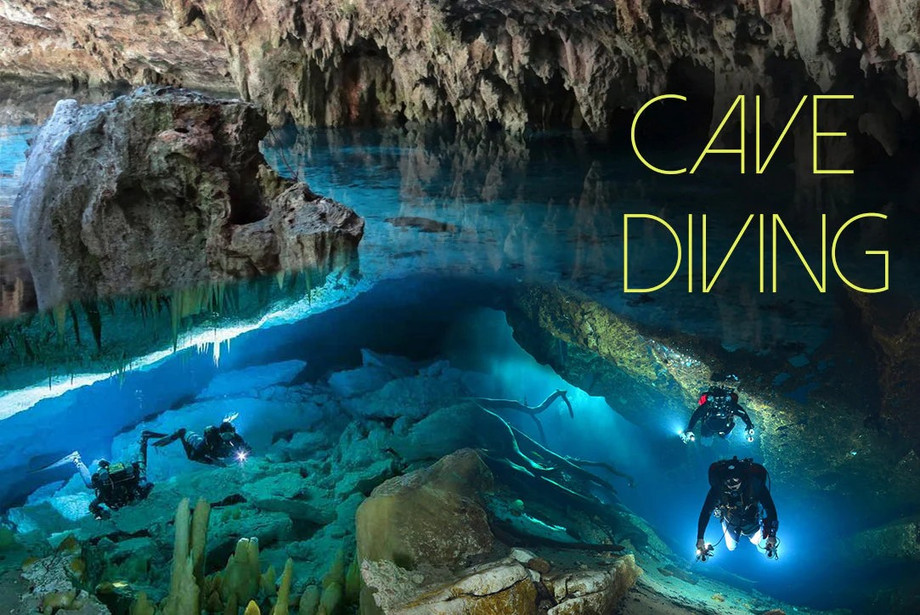
While cave diving dives deeper into the intricate tunnels and submerged passages beyond the open caverns, cenote diving offers an accessible yet equally enchanting adventure for recreational divers. Cenote diving typically occurs in areas where natural light can still penetrate, providing a safer and more comfortable environment for those who prefer to stay closer to open spaces. However, this doesn’t diminish the sense of wonder. Divers can admire haloclines, ancient rock structures, and the dramatic contrast between light and shadow that defines the cenote experience.
Moreover, cenotes hold significant cultural and historical importance. For ancient civilizations such as the Maya, cenotes were considered sacred, serving as vital water sources and spiritual gateways to the underworld. Archaeological discoveries within these waters, including pottery, bones, and artifacts, reveal that cenotes played central roles in ceremonies and rituals. Today, divers not only explore stunning underwater worlds but also connect with the rich cultural heritage that surrounds these natural wonders.
Divers planning a cenote adventure should ensure that they work with certified guides who understand the unique characteristics and safety requirements of these environments. Cenotes can vary greatly in depth, layout, and lighting, making it crucial to receive proper orientation before diving. Choosing the right equipment, mastering buoyancy control, and developing comfort in enclosed spaces will enhance the overall experience.
In conclusion, whether you are captivated by the serene elegance of the caverns or the thrilling exploration of Cave Diving, cenotes offer a fascinating invitation into a world sculpted by nature and enriched by history. Through the blend of adventure and tranquility found in Cenote diving, divers can experience some of the most stunning underwater landscapes on the planet—each dive offering a new chapter in the story of these timeless formations.
Comments
Post a Comment