Exploring the Mysteries Beneath: An In-Depth Look at Cave Diving
Cave diving is one of the most exhilarating and challenging forms of underwater exploration, offering adventurers a chance to discover hidden worlds beneath the earth’s surface. Unlike traditional diving, which often takes place in open water, cave diving involves navigating through submerged caves and intricate tunnel systems that can extend for miles. This activity requires not only advanced diving skills but also a keen sense of navigation, safety awareness, and environmental respect. The allure of exploring untouched underwater landscapes has made cave diving an increasingly popular pursuit among experienced divers seeking new thrills and discoveries.
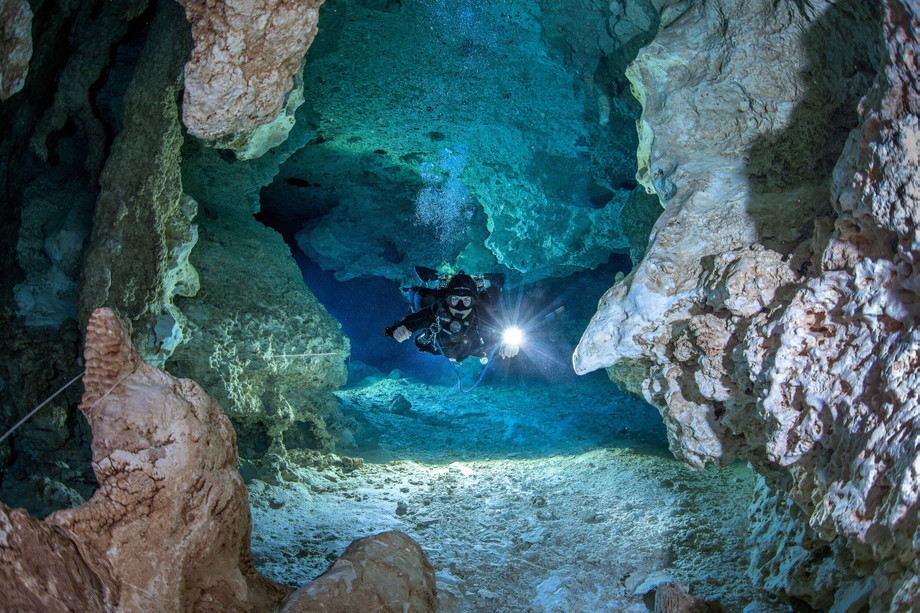
At its core, cave diving is a specialized subset of recreational diving that combines elements of scuba diving and spelunking. It demands rigorous training, as divers must be prepared for the unique hazards presented by confined spaces, zero visibility, and the potential for complex navigation. The environment inside a cave is often pristine and surreal, with stalactites, stalagmites, and mineral formations creating breathtaking scenery. However, these beautiful formations are fragile, and divers must exercise utmost caution to preserve the delicate ecosystem. Proper equipment, including lights, reels, and redundant breathing systems, is essential for a safe and enjoyable experience.
One of the fundamental skills in cave diving is understanding the differences between cavern diving and full cave diving. Cavern diving typically refers to exploring the illuminated areas of a cave system where the diver can see natural light from the surface. This form of diving serves as an introductory experience and is generally less hazardous, provided safety protocols are followed diligently. In contrast, cave diving involves venturing into darker, more complex sections of the cave, often requiring full cave certification. This certification ensures that divers have mastered skills such as line handling, buoyancy control, and emergency procedures specific to enclosed environments.
The importance of proper training cannot be overstated in this sport. Many accidents in cave diving are attributed to inadequate preparation or misjudging the risks involved. Certified courses teach divers how to read and follow guide lines, manage air supplies effectively, and handle emergency situations like equipment failure or disorientation. Safety protocols also emphasize the importance of diving with a buddy and maintaining clear, consistent communication throughout the dive. These measures help mitigate the inherent risks of exploring such unpredictable environments.
Environmental conservation is another crucial aspect of cave diving. Many cave systems are sensitive ecosystems that harbor unique species and geological formations. Responsible divers adhere to strict guidelines to minimize their impact, such as avoiding touching formations, not collecting souvenirs, and maintaining neutral buoyancy to prevent stirring up sediment. Preserving these pristine environments ensures that future generations can continue to marvel at their beauty.
The thrill of cave diving lies in the sense of discovery — swimming through dark tunnels, observing ancient mineral formations, and sometimes uncovering archaeological or geological mysteries. Many divers describe the experience as otherworldly, a journey into a hidden world that few have seen. However, it is vital to remember that this adventure is not without danger. Conditions can change rapidly, and even experienced divers must remain vigilant. Proper planning, respect for the environment, and adherence to safety standards are the keys to a successful and rewarding cave diving experience.
In conclusion, cave diving and cavern diving open a window into the mysterious underground worlds that lie beneath the surface of our planet. While offering unparalleled adventure and discovery, they also demand a high level of skill, training, and respect for the environment. For those willing to undertake the challenge, the rewards are extraordinary — a glimpse into a hidden universe that few have experienced firsthand. As technology and training continue to advance, the future of cave diving looks promising, promising even more opportunities for explorers to uncover the secrets lurking beneath the earth’s surface.
Comments
Post a Comment