The Majestic Grandeur of the Biggest Temple in Rajasthan
Rajasthan, the land of kings, deserts, and architectural marvels, is home to numerous historic and cultural landmarks. Among its many treasures, the biggest temple in Rajasthan stands out as a symbol of devotion, artistry, and heritage. Nestled amid the vibrant cultural tapestry of this northwestern state, this temple attracts thousands of pilgrims, tourists, and history enthusiasts from all over India and beyond. With its intricate carvings, grandiose architecture, and spiritual ambiance, it is an essential destination for anyone interested in exploring Rajasthan’s religious and cultural legacy.
The temple’s origins date back several centuries, reflecting a harmonious blend of ancient craftsmanship and local architectural styles. Built during a time when temple construction was considered both a religious act and an expression of royal patronage, the biggest temple in Rajasthan continues to impress visitors with its towering spires, elaborately sculpted pillars, and expansive courtyard. Every corner of the temple narrates stories from Hindu epics, creating a deeply immersive spiritual experience. The sheer scale of the structure makes it a focal point for devotees and architecture enthusiasts alike, contributing significantly to Rajasthan's reputation as a land of monumental heritage.
Beyond its spiritual significance, the temple is a center for various cultural festivities throughout the year. Major festivals, such as Diwali and Navratri, are celebrated here with exceptional zeal, drawing large crowds from nearby towns and distant cities. Visitors often combine their pilgrimage with a tour of other famous places in Kalpa, further enriching their experience. The harmonious coexistence of religious rituals and cultural celebrations at this site creates an atmosphere that is both reverent and lively, highlighting the temple's role as a vibrant hub of tradition.
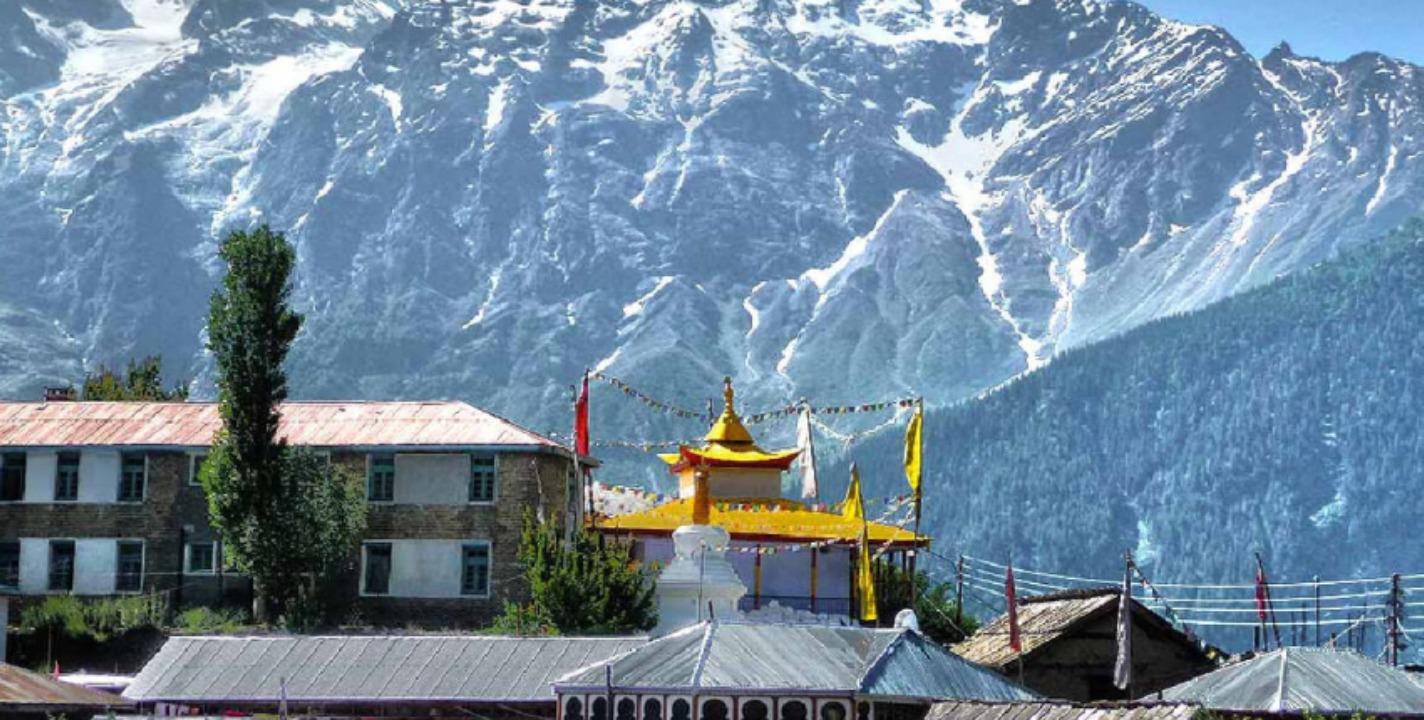
The architecture of the biggest temple in Rajasthan is a marvel in itself. Designed by master artisans, every wall and pillar showcases intricate carvings depicting mythological scenes, floral patterns, and symbolic motifs. The use of locally sourced sandstone adds a distinct charm, giving the temple a warm, earthy tone that blends seamlessly with Rajasthan’s arid landscape. The massive dome and towering shikharas (spires) rise majestically against the blue sky, creating a striking visual that draws photographers and history buffs alike. The temple’s design reflects not only religious symbolism but also the region’s rich artistic heritage, making it a must-visit destination for architecture aficionados.
Visitors to the temple often explore other famous places in Kalpa, which include serene monasteries, lush apple orchards, and panoramic views of the Himalayas. This combination of spiritual and natural beauty offers a holistic experience, making it a top attraction in Rajasthan. Tourists can easily spend several days in the region, exploring nearby villages and understanding local customs, cuisine, and handicrafts. The presence of the biggest temple in Rajasthan acts as a perfect centerpiece to any cultural itinerary, providing an unforgettable experience that blends devotion, history, and natural splendor.
Accessibility to the temple is convenient, with well-developed roads and public transport options connecting it to major cities like Jaipur and Jodhpur. The state government has also taken initiatives to promote tourism around this heritage site, improving facilities and information centers for visitors. As a result, the biggest temple in Rajasthan is not only a pilgrimage site but also a major tourist attraction contributing to the region’s economy.
In conclusion, the biggest temple in Rajasthan is more than just a place of worship—it is a living testament to the region’s artistic mastery, religious fervor, and cultural richness. Combined with visits to famous places in Kalpa, this temple stands as a must-see destination for those seeking to immerse themselves in the history and spirituality of Rajasthan. Whether you are a pilgrim, historian, or traveler, the experience promises to be both enlightening and awe-inspiring.
Comments
Post a Comment