Into the Abyss: The Allure of Cave Diving
The realm of underwater caves is one of the planet’s last true frontiers, a silent, dark world where only the most skilled and disciplined dare to venture. This extreme sport, known as Cave Diving, is not merely a dive; it is an expedition into the unknown. It combines the technical challenges of scuba diving with the intricate, often perilous, navigation of subterranean passages. Unlike open-water diving, where one can ascend directly to the surface in an emergency, the cave environment offers no such easy escape. This fundamental difference elevates the risk and demands a unique mindset, rigorous training, and specialized equipment. Every foray into an aquifer or limestone cave system is a journey back in time, revealing geological formations untouched for millennia.
It is crucial to distinguish this advanced discipline from its more accessible counterpart. Many beginners start with an introductory experience called cavern diving, which is conducted within the “cavern zone.” This area is defined as the part of a cave where natural light is always visible, and the diver remains within a direct, horizontal swim of no more than 200 feet from the surface opening. Cavern diving serves as a critical gateway, teaching essential skills like buoyancy control, line following, and conservation of air without the full commitment of a penetration dive. However, it is a world apart from the pitch-black, miles-long tunnels of a full-scale Cave Diving mission.
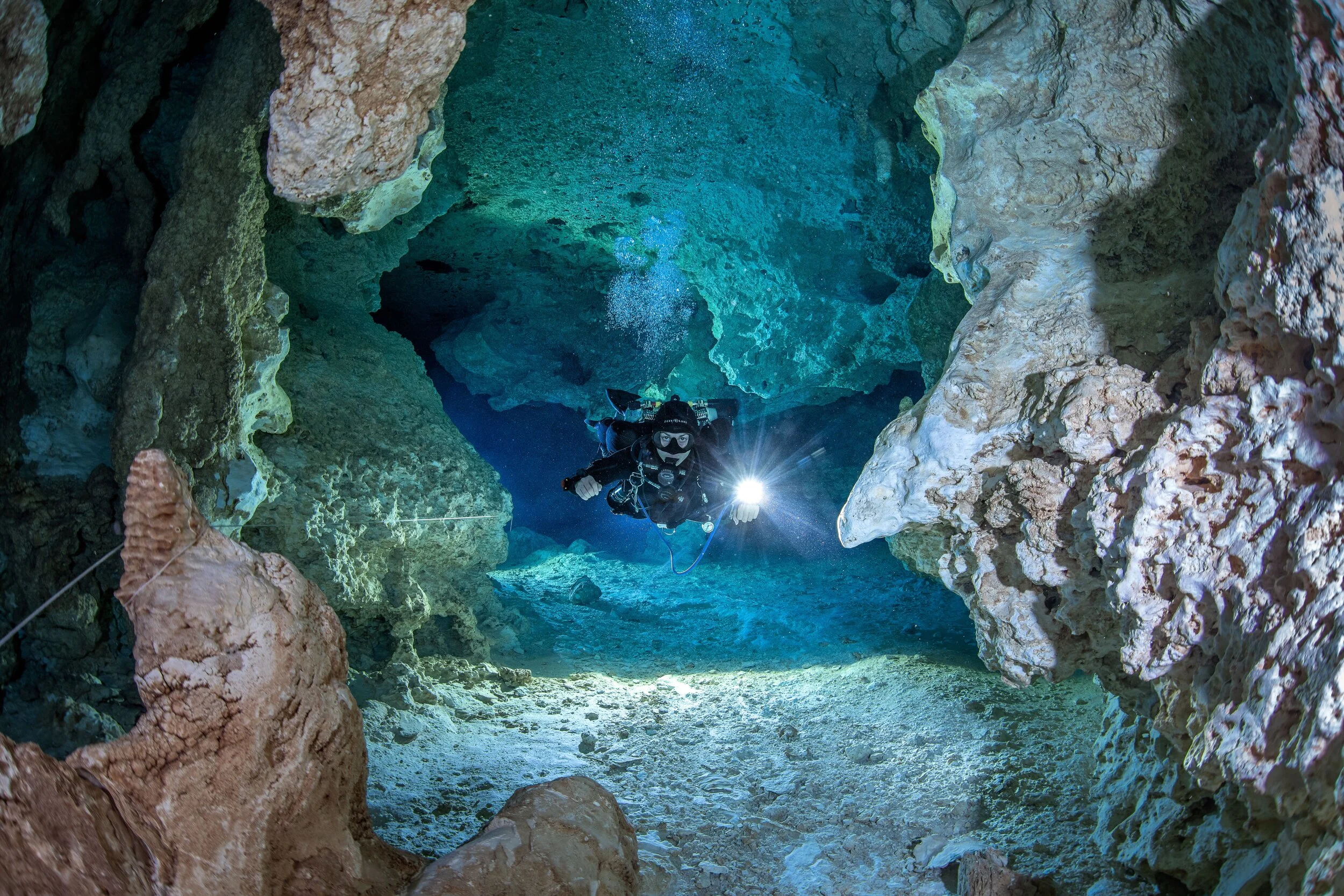
The equipment used for Cave Diving is a testament to the sport’s unforgiving nature. Standard recreational gear is insufficient. Cavers typically use redundant systems, meaning they carry at least two of every critical life-support item: double tanks (or independent twins), multiple regulators, and at least three independent light sources. The guideline, or “lifeline,” is perhaps the most vital piece of equipment. This thin, durable line is laid from the entrance and serves as the only sure path back to open water if silt is disturbed, causing a complete “silt-out” where visibility instantly drops to zero. This meticulous preparation is what separates safe Cave Diving from catastrophe, a philosophy that is instilled from the first foray into cavern diving.
The training progression is steep and deliberate. A diver cannot simply decide to become a cave diver; they must earn certifications through agencies like the National Association for Cave Diving (NACD) or the Global Underwater Explorers (GUE). The journey almost always begins with a cavern diving course, focusing on the foundational skills and drills necessary for survival. After mastering this, divers can progress to full Cave Diving certifications, which are typically divided into stages like Apprentice, Full, and then advanced levels involving complex navigation, deep passages, and mixed-gas diving. This structured approach ensures that every practitioner of Cave Diving understands the gravity of their actions and the absolute necessity of protocol.
Beyond the technicalities lies the profound reward: unparalleled beauty. A Cave Diving expedition reveals stunning speleothems—mineral formations like stalactites and stalagmites—that have grown underwater, a rare sight. In places like Florida’s springs or Mexico’s cenotes, haloclines create shimmering, hallucinatory visual effects where fresh and salt water meet. The silence is absolute, broken only by the sound of one’s own breathing. This otherworldly experience, first hinted at during a cavern diving course, is the powerful lure that draws explorers back into the abyss time and again.
Ultimately, Cave Diving represents the pinnacle of underwater exploration. It is a sport that demands respect, humility, and an unwavering commitment to safety. It is a discipline where error margins are razor-thin, and teamwork is paramount. While cavern diving offers a tantalizing glimpse into this hidden world, full-fledged Cave Diving is a calling for those who seek to push the boundaries of human adventure, exploring Earth’s final darkness with precision and awe.
Comments
Post a Comment